


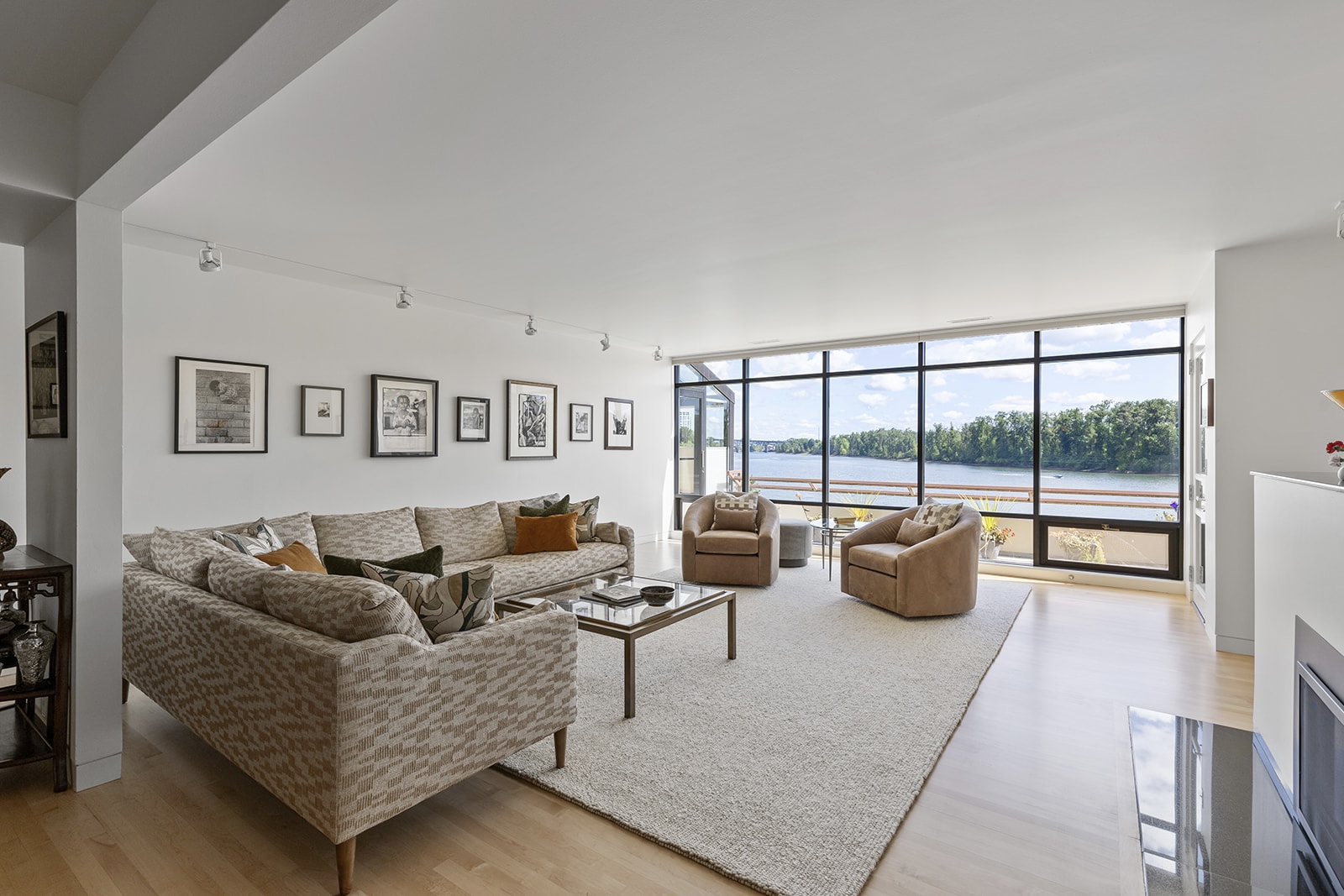
Bringing a new area rug into your home can completely change the dynamic of a room. It adds warmth underfoot, introduces texture, and ties your furniture layout together into a cohesive design. However, choosing the wrong size can instantly throw off the balance of your entire space. An undersized rug makes a large room look disjointed, causing beautiful furniture to appear stranded. Selecting the right dimensions is less about arbitrary design trends and more about understanding the specific proportions of your architecture.
The Architectural Impact of Scale
A properly scaled area rug acts as a visual anchor. In modern homes—especially those with expansive, open floor plans—flooring choices define where one living zone ends and another begins. Without a designated border, furniture groupings can feel like they are floating aimlessly across your hardwood or luxury vinyl planks.
When you position a rug that matches the scale of your furniture, you create an intentional frame. This frame unifies individual pieces like sofas, coffee tables, and accent chairs into a single, inviting conversation area. Furthermore, correct sizing helps establish natural traffic lanes. It ensures that the main paths through your home remain clear, preventing your family from constantly stepping half-on and half-off the rug perimeter as they move between rooms.
The Universally Accepted Placement Rules
Achieving a professional look comes down to how your furniture feet interact with the edge of the rug. Interior designers generally rely on three foundational layouts to establish balance.
All Legs on the Rug: This layout offers the most luxurious, spacious feel. Every major piece of furniture sits entirely within the boundaries of the rug, leaving a clean border of fabric around the outside edges. It requires a generous room size and a large rug, typically an 9x12 or 10x14, to prevent the arrangement from feeling cramped.
Front Legs Only: This highly versatile approach works beautifully in average-sized living rooms. Just the front feet of your sofa and accent chairs rest on the rug, while the back legs sit directly on your hard surface flooring. It securely anchors the seating arrangement together while allowing you to utilize a more standard 8x10 rug size.
All Legs Off: Often reserved for smaller accent spaces or narrow entryways, this rule dictates that your furniture sits entirely outside the rug's perimeter. The rug rests independently in the center of the space, acting purely as a focal point.
Regardless of the layout you select, always maintain a consistent border of bare floor between the edge of your rug and the baseboards. Leaving roughly 12 to 18 inches of exposed flooring around the perimeter of the room ensures the space feels balanced and prevents the rug from looking like poorly fitted wall-to-wall carpeting.
Sizing Guidance for Your Core Living Spaces
Every room serves a distinct function, which means your sizing strategy needs to adapt as you move through your home.
Living Rooms
Your seating arrangement dictates your rug dimensions. If you have a standard three-seat sofa paired with a couple of chairs, an 8x10 rug is usually the minimum size required to execute the front-legs-only rule. For larger sectional sofas, stepping up to a 9x12 rug ensures the material extends past the corners of the couch, maintaining visual symmetry and preventing the heavy furniture from overwhelming the floor.
Dining Rooms
Functionality and safety matter most beneath a dining table. Your rug must be large enough to accommodate the table and all chairs, even when guests pull those chairs out to sit down. To achieve this, measure your table and add at least 24 inches of clearance to all sides. This extra width prevents chair legs from catching on the edge of the rug, reducing tripping hazards and protecting your underlying floors from scratches.
Primary Bedrooms
A bedroom rug should provide comfort where you need it most: right under your feet when you wake up. The most effective layout involves placing a large rug partially under the bed, running perpendicular to the mattress frame. Position it so it stops just in front of your nightstands but extends at least 18 to 24 inches beyond the sides and foot of a queen or king bed. This placement keeps the room proportional while ensuring you step onto a soft surface every morning.
Balancing Texture and Floor Protection
Selecting the proper rug size also helps maintain the longevity of your underlying hard surface floors. Heavy furniture shifting on bare wood or laminate can lead to premature wear, scuffs, and deep scratches over time. A well-placed rug absorbs that daily friction, serving as a protective barrier in your highest-traffic zones.
To maximize this protection, always pair your area rug with a high-quality rug pad. In plain terms, a rug pad is a textured underlayment that sits between the rug and your floor. It provides essential grip to prevent dangerous bunching or sliding, adds an extra layer of cushioning underfoot, and prevents the rough backing of certain woven rugs from scratching your beautiful floors.
Let’s Ground Your Design Together
Finding the perfect intersection of style, size, and durability does not have to be a guessing game. The right flooring foundation supports your real life, turning an ordinary room into a comfortable, balanced gathering space for your family.
Visit our showroom on North Main Street in Keller to explore our extensive collection of flooring solutions and accent options. Our team is always available to help you navigate layouts, review custom sizing possibilities, or test out different design combinations using our digital room visualizer. Whether you want to schedule a dedicated consultation time or prefer to stop by during our standard showroom hours, we look forward to helping you complete your space.


