


Vinyl flooring is incredibly tough, but it isn’t completely indestructible. Between tracking in gritty soil after a weekend at Bear Creek Park and managing the constant foot traffic through your side door, your floors work hard every single day. That resilience is exactly why vinyl is such a favorite for local homes. Even so, keeping that fresh showroom look requires a little bit of strategy. Dirt, grit, and the wrong cleaning products can dull the finish over time, turning a gorgeous surface into a hazy disappointment.
Caring for your investment does not have to be a stressful chore. Maintaining your floors comes down to a few basic habits, the right tools, and knowing how to handle the occasional accident. Before you grab any heavy-duty cleaners, always check your specific manufacturer's guide. Every brand has distinct requirements. Using a banned chemical can accidentally ruin your surface and void your structural warranty.
Your Daily Defensive Routine
Preventing damage is always easier than trying to fix it later. Microscopic pieces of sand, gravel, and local clay act exactly like sandpaper under the pressure of your footsteps. This grit slowly scratches away the protective top layer of your sheet vinyl or vinyl tiles.
Sweep Frequently: Use a soft-bristle broom or a dust mop daily to pick up loose debris before it gets ground into your floor. If you prefer vacuuming, turn off the beater bar entirely. Rotating brushes are fantastic for carpets, but they can easily score and scuff your smooth vinyl surface.
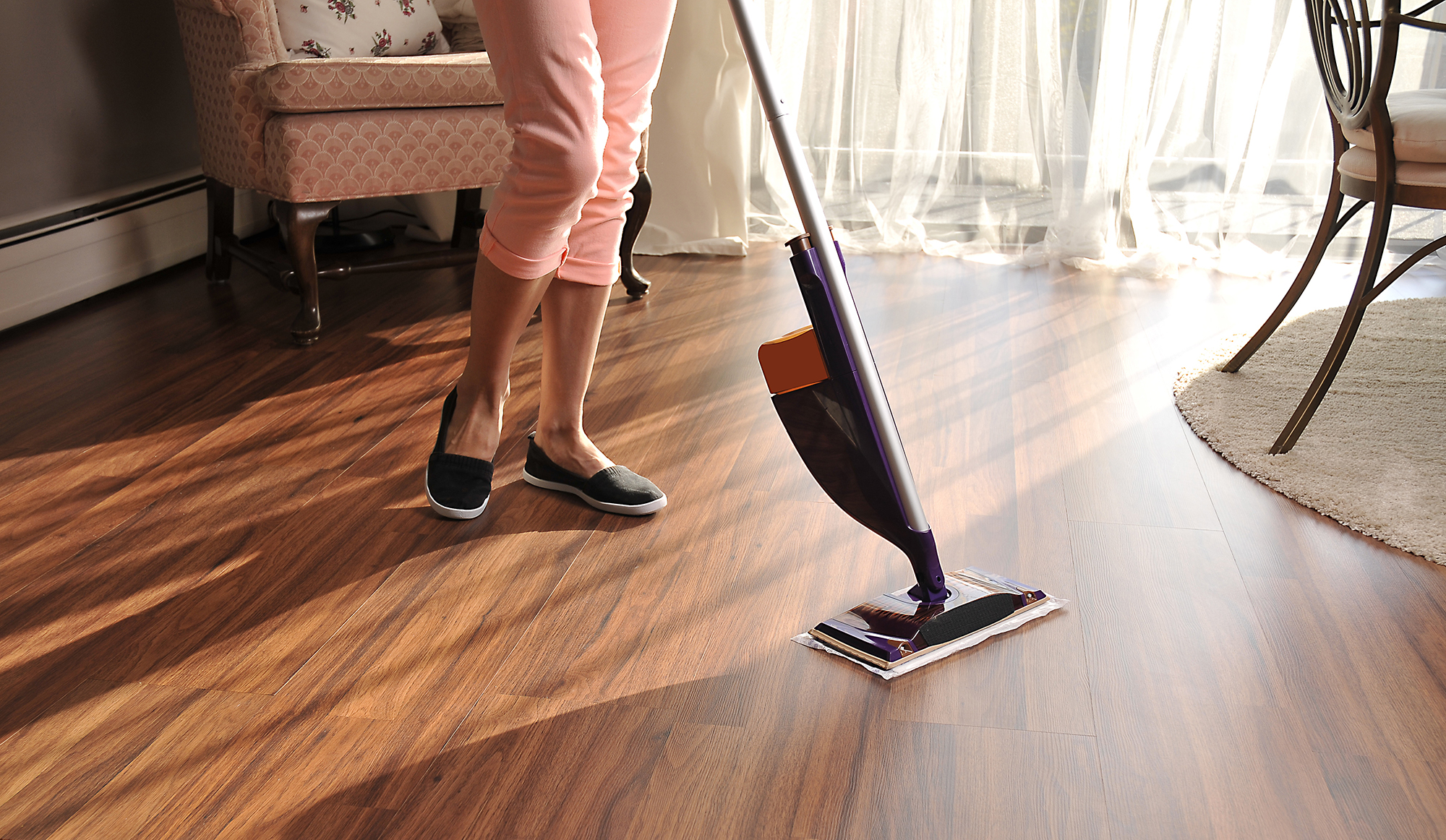
Damp Mop Weekly: You do not need a bucket full of harsh chemicals to get a deep clean. A clean microfiber mop dampened with plain warm water works beautifully for routine maintenance.
Choosing Safe Cleaning Products
When water alone won't cut through the grime, simplicity is your best friend. Look for a pH-neutral cleaner specifically formulated for vinyl flooring.
Never use steam mops on your vinyl floors. The intense, concentrated heat can penetrate the seams, break down the adhesive backing, and cause the edges of your flooring to warp, buckle, or peel upward. You should also skip traditional string mops that leave pooling water behind. While your material handles everyday spills well, standing puddles can seep between the joints and trigger hidden subfloor issues.
Avoid abrasive scrubbing pads, steel wool, oil soaps, and wax treatments. These products leave a sticky, stubborn residue that acts like a magnet for dust, making your home harder to clean in the long run.
How to Handle Specific Spills and Stains
Accidents happen, especially in high-traffic zones like your kitchen and mudroom. The golden rule for vinyl is to act quickly. The longer a liquid sits, the harder it is to remove without scrubbing too aggressively.
Mud and Red Clay Grit
Let wet mud dry completely first. It sounds counterintuitive, but wiping wet clay just smears the fine particles across a wider area. This pushes the dirt deeper into the texture of your vinyl. Once it dries, vacuum up the crust with a hard-floor attachment, then wipe the remaining residue with a damp microfiber cloth.
Food Stains, Juice, and Wine
Mix a simple paste of baking soda and water. Apply it gently to the stain and rub with a soft cloth until the spot lifts. Baking soda is a very mild abrasive, so it breaks down the food residue without scratching your vinyl surface. Wipe the area clean with a fresh, damp cloth to remove any leftover powder.
Tough Scuffs and Heel Marks
Rubber shoe soles often leave dark streaks across your entryway. You can usually buff these out easily using a clean tennis ball or a dry microfiber cloth. For stubborn marks, apply a tiny drop of mineral spirits to a cloth, rub the scuff gently, and immediately rinse the spot with plain water.
Smart Preventative Measures
A few small adjustments around your house can double the lifespan of your floors and save you hours of scrubbing.
Utilize Doormats: Place high-quality mats both inside and outside your main entryways. This simple barrier catches a massive percentage of the clay, oil, and moisture before it ever touches your indoor flooring.
Protect Against Furniture Weight: Heavy couches, dining chairs, and kitchen appliances can dent or scratch vinyl over time. Attach wide, non-staining felt protectors to the bottom of all furniture legs. Avoid rubber casters, as certain dark rubbers can permanently discolor your vinyl through a chemical reaction.
Manage Sunlight: The intense North Texas sun can cause vinyl to fade or expand over time. Use blinds, curtains, or UV-blocking window films during peak afternoon hours to protect your rooms from direct solar exposure.
Get Expert Advice at Our Keller Showroom
Proper maintenance keeps your home looking beautiful, but you do not have to figure out floor care all on your own. If you are dealing with a stubborn stain, trying to find a safe cleaner, or thinking about upgrading to a tougher material, seeing your options in person changes everything.
Visit our showroom in Keller to talk through your household needs with people who understand local traffic and wear. You can easily compare different materials side by side and take home physical samples to test under your own house lights. When you are ready to start a new flooring project, contact us to schedule a free in-home estimate. We will take care of the measurements, map out a clear timeline, and ensure your next home improvement step is entirely stress-free.


