


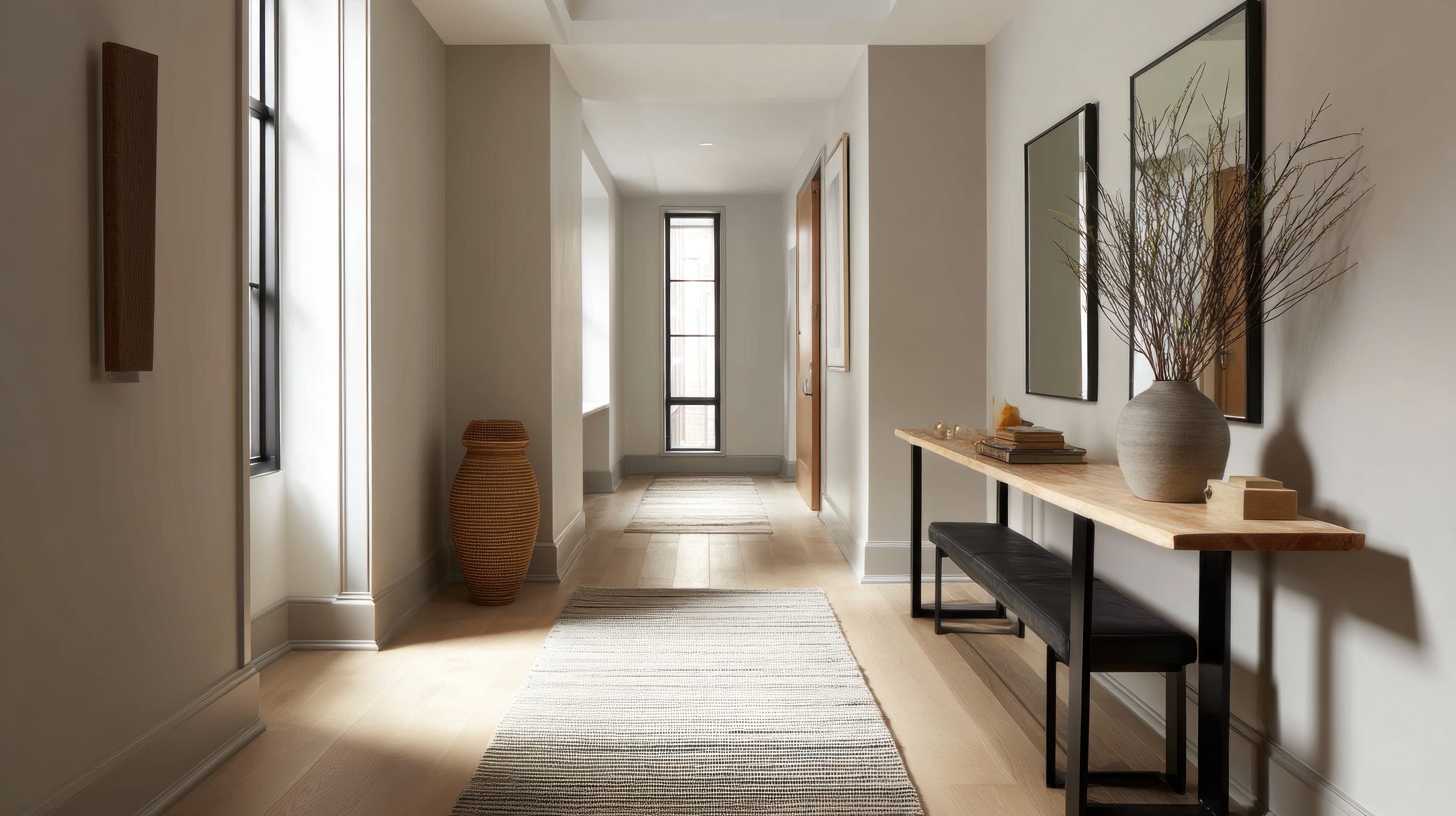
Stepping inside your front door means leaving the North Texas elements behind, whether you are escaping the relentless summer humidity or coming in from a biting, damp winter wind.
Keller weather forces your entryway rug to act as a hard-working environmental airlock, trapping the outdoor elements before they can ruin the rest of your home.
Choosing the right material determines whether your area rug preserves your underlying flooring or quickly becomes a stained, musty mess.
The Summer Humidity and Moisture Trap
Choosing a synthetic, hydrophobic material like polypropylene ensures your entryway stays dry and odor-free through every North Texas season.
This specialized fiber completely repels water, allowing tracked-in moisture from summer pool traffic or freezing winter rains to evaporate quickly from the surface instead of sinking deep into the backing. By keeping water from pooling underneath the rug, these moisture-resistant fibers actively protect your hardwood or tile subfloor from long-term water damage and rot.
Plant-based options like jute or sisal fail under these exact environmental pressures because natural materials act like sponges for dampness. When wet boots or soggy pool towels saturate a jute rug, the absorbent fibers twist, turn brittle, and permanently discolor. This trapped moisture creates a dark, damp environment where mildew and sour odors naturally thrive, ruining the rug and risking damage to the flooring beneath it.
Synthetic engineering eliminates this risk by keeping your entry zone completely dry with minimal maintenance.
Tracking in North Texas Mud and Clay
When spring rain hits, our local expansive black clay soil turns into a thick, sticky muck that hitches a ride straight into the house. As that mud dries on your rug, it crumbles into a fine, highly abrasive grit. If a rug fiber has a rough or loosely woven physical structure, it hooks onto those tiny dirt particles and locks them deep within the pile.
Every time someone walks across the rug, those trapped grit particles act like sandpaper, grinding down the fibers and destroying the rug from the inside out. An effective entryway material needs a smooth, resilient fiber structure that refuses to bind with dry dirt.
Choosing the Right High-Traffic Entryway Material
Selecting a rug material involves matching the fiber's physical properties to your home's daily traffic patterns. The following materials handle our climate demands without wearing down or tracking dirt deeper into your house.
Polypropylene for Maximum Moisture and Mud Resistance
This synthetic fiber is the absolute champion for homes with heavy pool usage and muddy boots. The plastic-based construction makes it entirely non-porous and hydrophobic, meaning it cannot absorb water, stain from mud, or breed mildew. If it gets completely covered in clay after a winter storm, you can drag it out to the driveway and hose it down with dish soap, letting it dry in the sun without any risk of color fading or fiber rot.
Wool for Natural Resilience and Dirt Shedding
This natural option works beautifully if you want a premium look that still handles heavy foot traffic. Wool fibers feature a natural coating of lanolin that inherently sheds moisture and prevents wet dirt from bonding with the pile. The structural shape of a wool fiber is coiled like a tiny spring, allowing it to bounce back continuously when compressed by heavy boots, rather than flattening out permanently like cheaper synthetic alternatives.
Nylon for Exceptional Crush Resistance
This synthetic material provides incredible durability in entryways that experience constant, heavy foot traffic. The fiber molecules are engineered to resist crushing, meaning the rug retains its texture and thickness even when subjected to active families and pets sprinting through the front door. While it handles moisture well, it must be treated with a stain-resistant coating during manufacturing to prevent wet clay from discoloring the fiber, making it a stellar long-term choice for busy entryways.
Finding the Right Entryway Rug at Our Keller Showroom
Seeing the true pile height and feeling the fiber density in person helps ensure your front door can swing open cleanly without catching on the rug.
You can look through a wide variety of high-performance materials by visiting the Keller Design Floors showroom at 478 North Main Street in Keller, Texas, or you can contact us directly to discuss your specific flooring protection needs.
Our local team can help you find a durable option that stops North Texas mud and humidity right at the door.


